Preparing for breastfeeding - natural doesn't always mean intuitive
Apr 10, 2026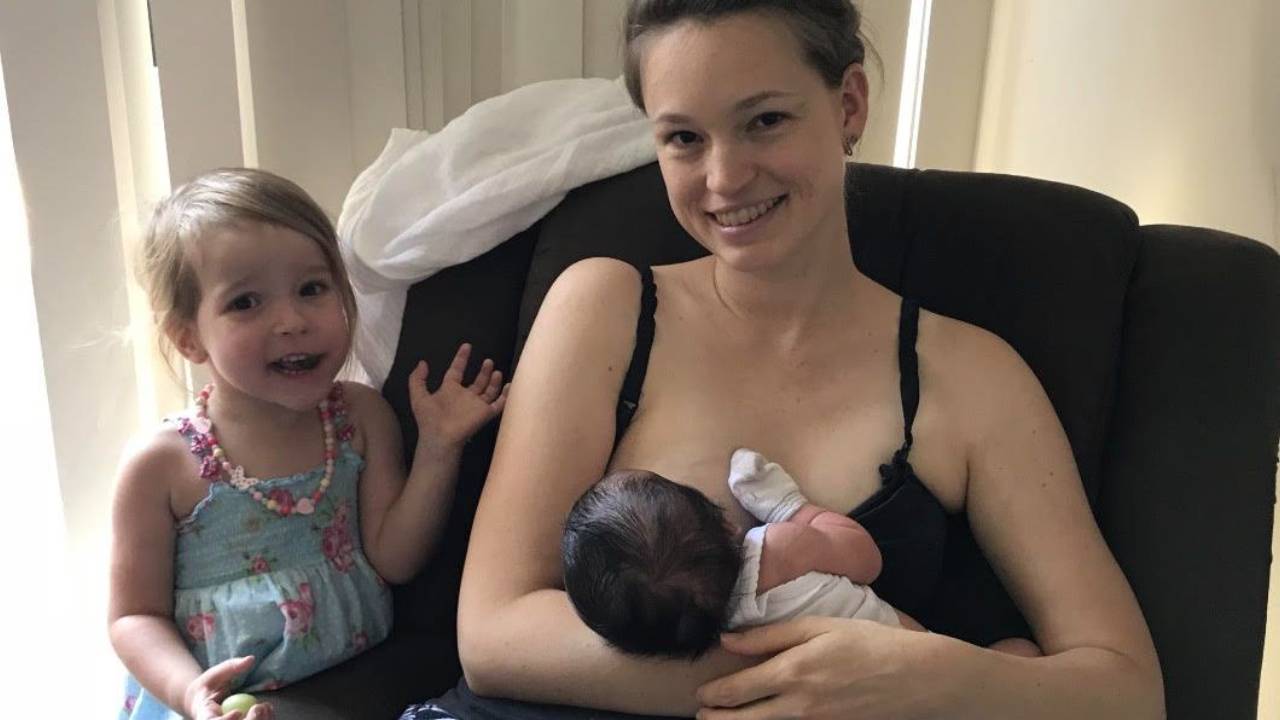
Before I ever breastfed a baby, I assumed it would come naturally. I’d watched countless animals nurse their young with ease during my years as a veterinarian. I’d seen friends breastfeed without much fuss. And everywhere I looked, the message seemed to be the same: breastfeeding is instinctive, automatic, something your body just “knows” how to do.
So I didn’t prepare.
I didn’t learn about latch or positioning.
I didn’t understand supply and demand.
I didn’t know what was normal, what wasn’t, or when to ask for help.
And then my daughter arrived, by unwanted Caesarean section — and nothing about breastfeeding felt natural at all.
She struggled to latch deeply, and I struggled to relax enough to let down. My milk came in fast and full, leaving me painfully engorged, but the stress and anxiety of those early days quickly disrupted the flow. I was recovering from the physical pain of the C-section, and emotionally I was unravelling. Every feed felt like a test I was failing. I didn’t know how to help her, and I didn’t know how to help myself. The pressure, the confusion, the exhaustion… it all fed into the fog of postnatal depression that was already settling over me.
I thought I was failing at something that should have been simple.
I thought everyone else found it easy.
I thought something was wrong with me.
It wasn’t until much later — after connecting with other mothers, lactation consultants, and evidence‑based resources — that I realised how common breastfeeding difficulties are. Not because breastfeeding is impossible, but because many of us walk into it unprepared. We’re told it’s natural, but we’re not told that “natural” doesn’t always mean “intuitive.” We’re not taught how breastfeeding works, how to troubleshoot, or how to advocate for ourselves in those early, vulnerable days.
Just like birth, breastfeeding sits at the intersection of physiology, environment, support, and knowledge. And just like birth, a little preparation can make an enormous difference.
That realisation lit another fire in me.
I don’t want women to learn these lessons the hard way. I don’t want them to feel blindsided by challenges no one talks about. I don’t want them to sit in the dark wondering why their body isn’t “just doing it,” when they simply haven’t been given the information or support they deserve.
Preparing for breastfeeding isn’t about guaranteeing a perfect journey. It’s about:
- understanding how milk supply is established
- recognising a comfortable, symmetrical and sustainable latch
- knowing what’s normal (and what’s not) in the early days
- learning how to protect your supply if separation, stress, or medical issues arise
- knowing how to support let‑down and regulate your nervous system
- knowing where to turn for help before you’re in crisis
- building confidence in your ability to nourish your baby — in whatever way ends up being right for you
Preparation doesn’t remove every challenge, but it transforms the experience. It turns confusion into clarity, fear into confidence, and isolation into connection. It gives you tools, language, and support. It gives you agency.
And that’s what every mother deserves.
My passion for breastfeeding education grew from the same place as my passion for childbirth education: the gap between what I thought I knew and what I desperately needed to know. The gap between the idealised version of motherhood I’d imagined and the reality I lived through. The gap where my own story cracked open and made room for something new — a commitment to helping women enter breastfeeding informed, supported, and empowered. And I found a wonderful resource just when I needed it for my final breastfeeding experience, which had its own challenges (those are a story for another day). If you’re interested, you could try looking at it too: The Thompson Method. I wish I’d had their kind of support for my first breastfeeding experience.
If sharing what I’ve learned spares even one woman from feeling the way I did, then every hour spent teaching, studying, and holding space is time well spent.
My hope is that these offerings help women build a deep confidence in both body and mind — confidence that supports them not only in feeding their babies, but in navigating the early weeks of motherhood with steadiness, self‑trust, and compassion.
Because breastfeeding, like birth, is not something we’re meant to do alone. And preparation is not pressure — it’s support.
If you’ve lived any version of this, I see you. If you ever want to reach out, I’ll meet you gently. And if you’d rather keep your story close, that is a sacred choice I deeply respect.
Any questions?
Join the mailing list!
Stay connected: receive all the latest news and updates.
We will not send spam.